
Now Recruiting: The Cassiopeia Program
A hypothesis post that is also a study signup form that is also behind a CDA.

We’ve gotten a lot of new subscribers recently—welcome, all of you!
If you’re a new recruit, you may not be aware: I don’t just talk shit, so to speak. Microbiome science is my full-time job. My company, Constellation Bio, is focused on turning the kinds of ideas you’ll find in the archives of this blog into actual products—making the other 99% of the human microbiome available as probiotics.
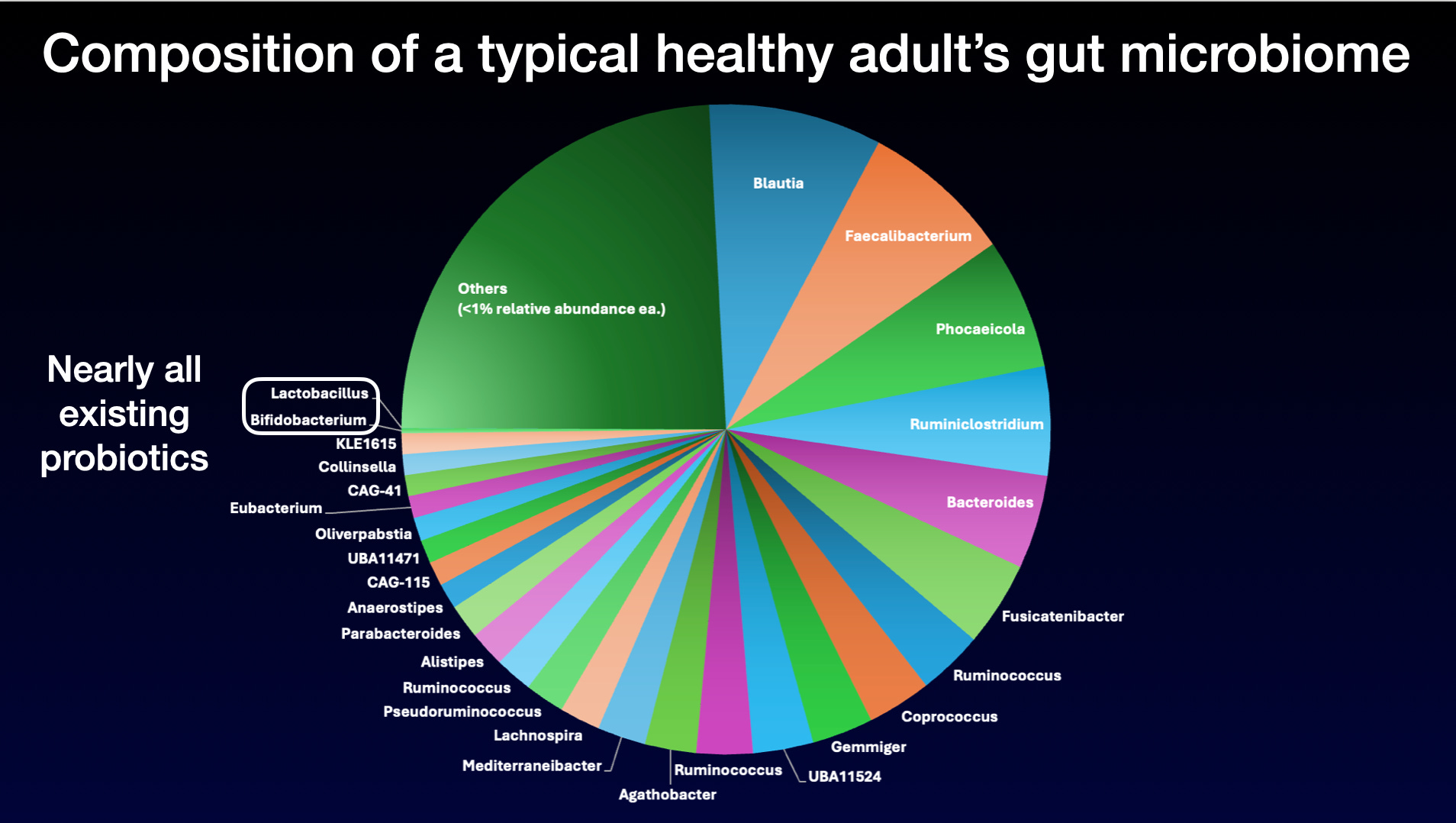
That means we’re always looking for brave volunteers to help us beta-test the future of biology. Some aspects of that (like trying out a new species as a probiotic) are only feasible with participants who are local to our lab here in Berkeley, but anytime we’re spinning up a study that’s amenable to nationwide participation, I’ll put out a call here.
For instance, many of you have already signed up for the ongoing Astrobacillus project, investigating the relationship between serum cholesterol and fecal coprostanol. If you haven’t—and you’re an adult in the US who’s had a lipid panel done in the past year—I’d encourage you to sign up here.
But while that project is underway, we are cooking up some exciting things in parallel, and to that end it’s my pleasure to invite you today to participate in a new study, which we’re calling the Cassiopeia program.
New Micronutrient Just Dropped?
Cassiopeia is a first-in-humans study to assess the safety of a novel dietary supplement containing a mineral which, historically, was thought to play no role in human biology.
But recently, scientists have discovered that a variety of human gut bacteria—including some very important ones like Faecalibacterium—have enzymes that use this element as a cofactor. As I’ve said before, the microbes indigenous to the human gut are almost as much a part of our bodies as the mitochondria: they’re external to the 23 chromosomes, but we have been coevolving with them for so long—and they play such an integral part in our biology—that there’s no sense in drawing distinctions between “our” genes and “theirs”.
So a trace element which is important for a ubiquitous and abundant human gut bacterium like Faecalibacterium may well deserve to be considered an essential nutrient for humans, to the extent that its absence might lead to disease. From the little that we know about this mineral’s role in bacterial biology, a deficiency of it in your microbiome might produce symptoms resembling certain chronic diseases that we don’t currently have good explanations for. Animal toxicity studies have already been done, and it seems remarkably safe—we’ll be using doses about a thousand times lower than the No Observed Adverse Effect Level in rats.
I can’t say much more here without giving it away, because we’re trying something new this time, in that I’m asking folks to sign a confidentiality agreement before disclosing the full hypothesis. It’s not like me to play my cards close to the chest, but if you’re curious about the rationale for this, I’ve outlined it in the text of the CDA.
So: If you’re interested in learning more about this mystery mineral and our plans to investigate it, click the button below—the form takes about a minute to read through and complete, and once you fill it out you should get an email with the rest of the program details.
See you on the other side!
—🖖🏼💩
Okay, you got me to bite. I'm not adventurous enough for natto, and getting vitamin Z or whatever from coconut water got too expensive for a tenuous benefit...but a supplement, sure, add it to the pillbox. Beware Trivial Inconveniences and all that.
NB: typo "a pushing" in the form. Also an extra italicized T in This after italicized [compound]. I'm also not sure the form actually took my submission, the last screen is worded as if I'd clicked nope.jpg.
Thank you, thank you, and thank you! Submission recorded properly, I just didn't have the conditionals set up right. Still learning to use Typeform!